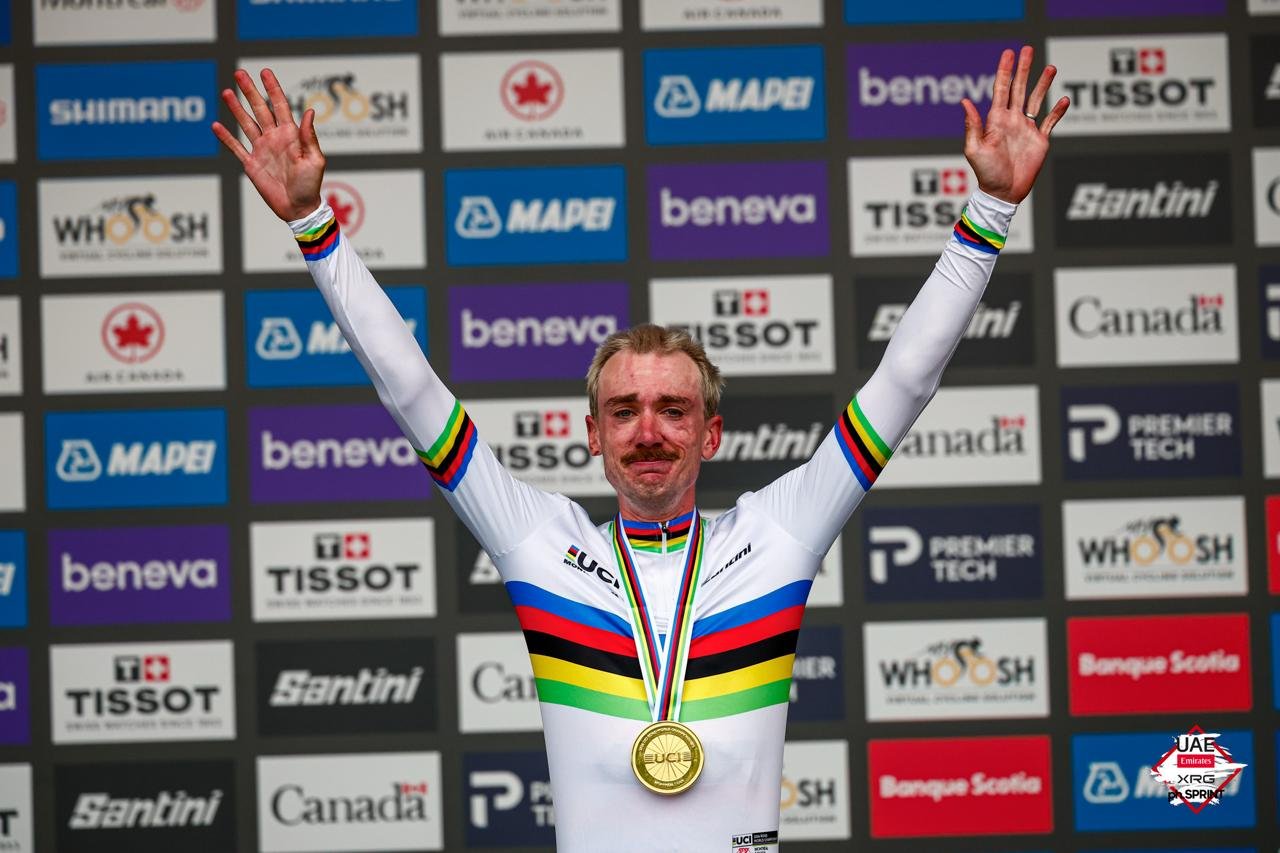
The 273-kilometer meat grinder of Montreal became a triumph of old-school cycling. Stripped of race radios, the peloton endured an unforgettable war of instincts, mistakes and endurance. While the heavyweights neutralized each other, the peloton’s tireless, unpretentious domestique revived Greg LeMond’s legacy and brought the rainbow jersey back to the United States.
The Road World Championships occupy a unique, almost sacred space in modern cycling: it is the one day when the riders’ earpieces remain entirely silent.
No race radios. No sports directors dictating tactics or counting down gaps from the team car. The absence of modern telemetry instantly throws the race back into cycling’s golden, old-school era, where pure racing instinct, tactical intuition, and raw grit determine destiny.
It was this deafening silence that decided the fate of Brandon McNulty’s defining 273 kilometers.
On the final lap, as an utterly spent McNulty pushed through the agony alone out front, the elite chasing group clawed their way back to within 15 seconds. In any standard WorldTour event, directors would have been screaming into the radios: “He’s blown! Dig deep, he’s barely moving!” The chase would have swallowed him whole. But without ears in the peloton, hesitation crept in, tactical distrust paralyzed the pursuers, and the coordinated chase fractured.
McNulty himself captured the sheer brutality of that finale:
“On that final lap, I was so completely empty that I literally dropped into Zone 2. I knew I could barely turn the pedals and fully expected to get swarmed at any moment. But looking back and seeing an empty road… it was surreal.”
Clash of the Titans and Belgian Selflessness
Across the unforgiving slopes of Mont-Royal, another high-stakes battle unfolded: the tactical collision between Mathieu van der Poel and the Belgian national squad.
Wout van Aert delivered a masterclass in elite team loyalty. Sacrificing his own individual ambitions, he rode selflessly for Remco Evenepoel — neutralizing violent accelerations, shadowing Van der Poel, and dictating a punishing rhythm. Yet, the grueling terrain of Montreal, combined with the colossal toll of Evenepoel’s historic time trial defense days earlier, finally caught up with the Belgian prodigy.
“I felt Wout’s incredible engine all day—he was phenomenal,” Evenepoel admitted. “But on those final laps, my legs simply shut down. The tank was dry, the lights went out, and on a course this brutal, you cannot survive on empty.”
Irish Fireworks and Youthful Impatience
If the race descended into outright attrition, much of the credit belongs to the peloton’s Irish disruptor, Ben Healy. His explosive, trademark accelerations on every climb tore the field to ribbons and pushed the contenders into the red zone.
Conversely, the radio blackout proved an unforgiving teacher for the next generation. Isaac del Toro demonstrated immense physical horsepower, yet paid the price for tactical impatience, burning vital energy reserves on premature, ill-advised attacks without an earpiece to rein him in.
A similar reality check struck 19-year-old French prodigy Paul Seixas. Fresh off his sensational time trial bronze, the sheer brutality of a 273-kilometer elite road race proved overwhelming, leaving his legs completely locked in the final kilometers.
The Silver Saga of Michael Matthews
And then there was Michael Matthews.
When it comes to brutal, attritional dogfights, few riders in history match “Bling’s” calculated resilience. While rivals self-destructed through emotional errors, Matthews measured his efforts with surgical precision. Weathering the relentless climbs, he anchored himself in the select group of survivors and unleashed his devastating uphill kick to claim silver. It was yet another masterclass in the Australian’s extraordinary, battle-tested career.
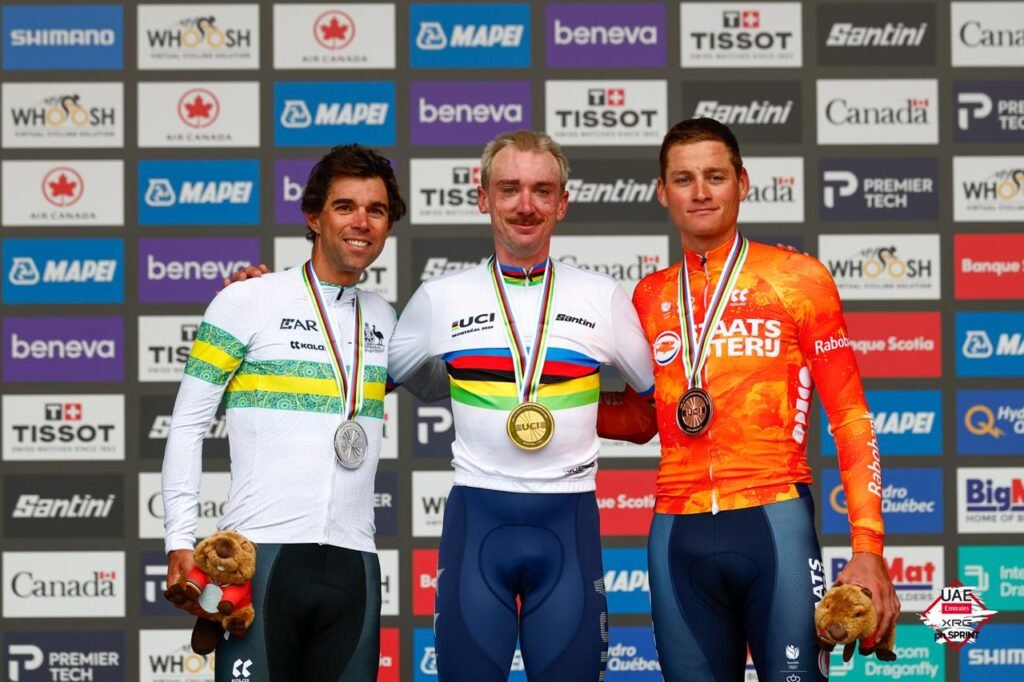
UCI World Road Race Championships Elite Man Podium – Montreal, CAN 2026 – Photo UAE Team Emirates
LeMond’s Legacy: The Domestique Ascends the Throne
Yet, above all, Montreal belongs to Brandon McNulty and American cycling.
The rainbow jersey returns to the United States.
Not since 1989, when the legendary Greg LeMond captured his second world title in Chambéry (following his 1983 victory in Altenrhein), had American cycling stood on the absolute summit of the elite road world. For nearly four decades, across generations of turbulence, the American flag waited for this clean, undeniable crowning moment.
What makes this victory so deeply resonant is the identity of the champion himself:
This was not the triumph of an entitled, headline-chasing superstar, but of cycling’s most selfless, unpretentious domestique.
For years, Brandon McNulty was the quiet engine in the shadows — burying himself in crosswinds, absorbing punishment on brutal gradients, pulling leaders to the base of final climbs, and laying his personal ambitions on the altar of the team. He never demanded the spotlight.
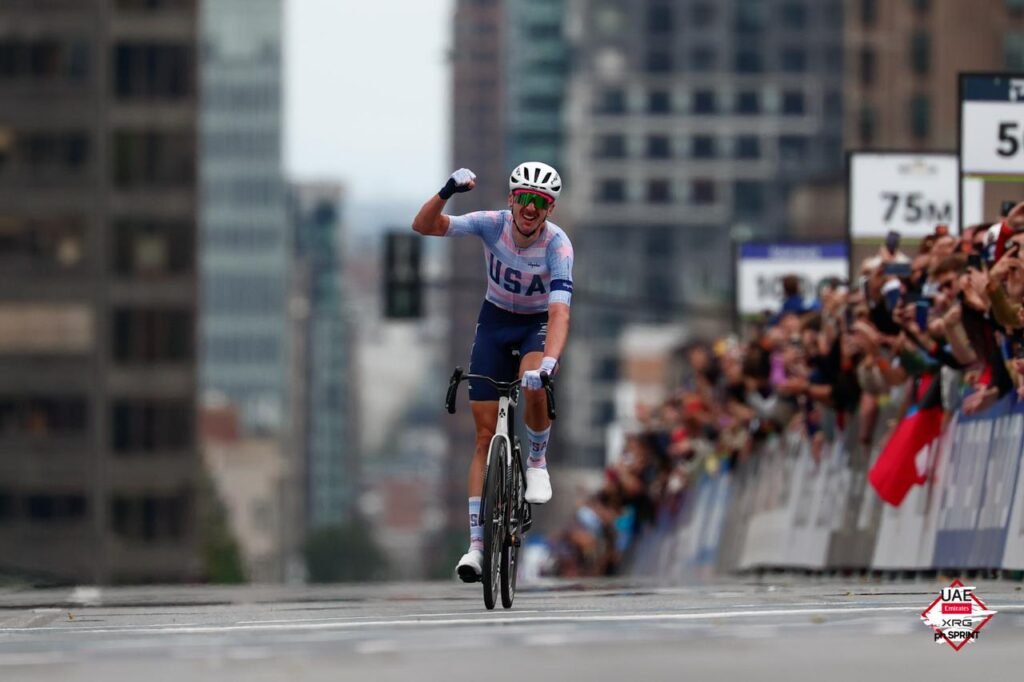
Brandon McNulty UCI World Road Race Championships – Montreal, CAN 2026 – Photo UAE Team Emirates
On the 273rd kilometer in Montreal, the cycling gods returned the favor in full. The ultimate working-class hero rode the race of his life, stepped out of the shadows, and claimed the sport’s greatest prize. Starting today, the world peloton follows Rainbow Brandon.
This article was prepared based on Velorbola’s editorial perspective, utilizing modern analytical and digital tools.
Featured image: Brandon McNulty UCI World Road Race Championships 2026 – Photo UAE Team Emirates
The 273-kilometer meat grinder of Montreal became a triumph of [...]
September 28, 2026
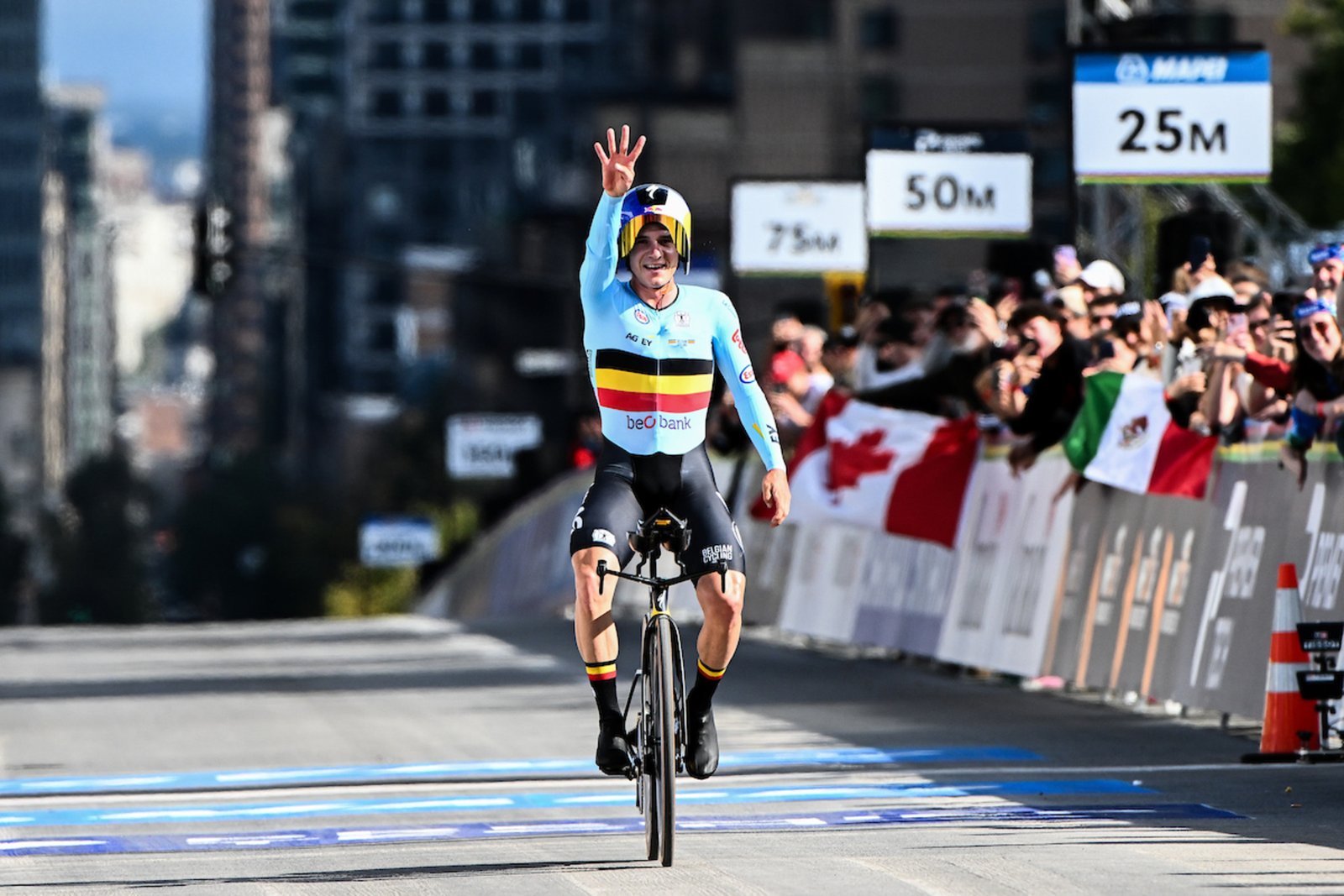
Glasgow, Zurich, Kigali and Montreal! Remco Evenepoel has shattered everything [...]
September 22, 2026